● Why Do People Wear Yellow Clothes in the Haldi Ceremony?
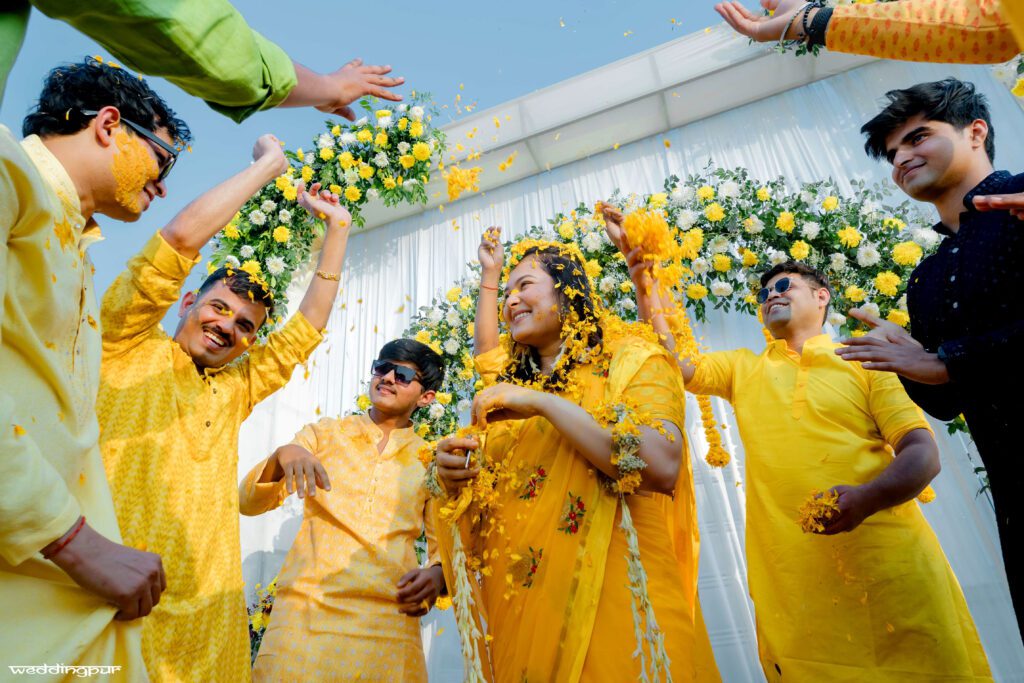
Turmeric (haldi) is something which does not come off easily once applied. People in earlier times observed that applying turmeric cleans the skin, reduce small germs, and gives a natural glow. That is why it was applied before marriage — almost like natural skincare preparation.
However, turmeric leaves very strong stains that can stay for 2–3 days, and it sticks even more to clothes. Because of this, yellow color was chosen, as turmeric stains are less visible on yellow fabric.
● Why Is Yellow Color So Important in the Ritual?
In our traditions, yellow has always been associated with good things. People believe that it represents cleanliness and purity and it creates positive energy and happiness.
That is why weddings traditionally begin with the haldi ceremony — it symbolically means the end of an old life and the beginning of a new one.
● Why Heavy Wedding Outfits Do Not Work in Haldi
Many people think haldi is just another wedding function and wear heavy lehengas or sherwanis. But haldi is actually a playful and messy ritual.
What really happens is people apply turmeric generously from face to hair, milk, water, and flower petals are also poured, and turmeric contains oil, so stains do not come out easily.
Because of this, expensive clothes get permanently damaged, stickiness and itching increase, sitting and walking become difficult, and photos look awkward because you keep adjusting the outfit.
● What You Should Wear Instead
Choose clothes that you can wash easily and feel comfortable in, so you can freely enjoy the haldi ceremony without worrying about stains or discomfort.
● How to Choose the Right Haldi Ceremony Dress
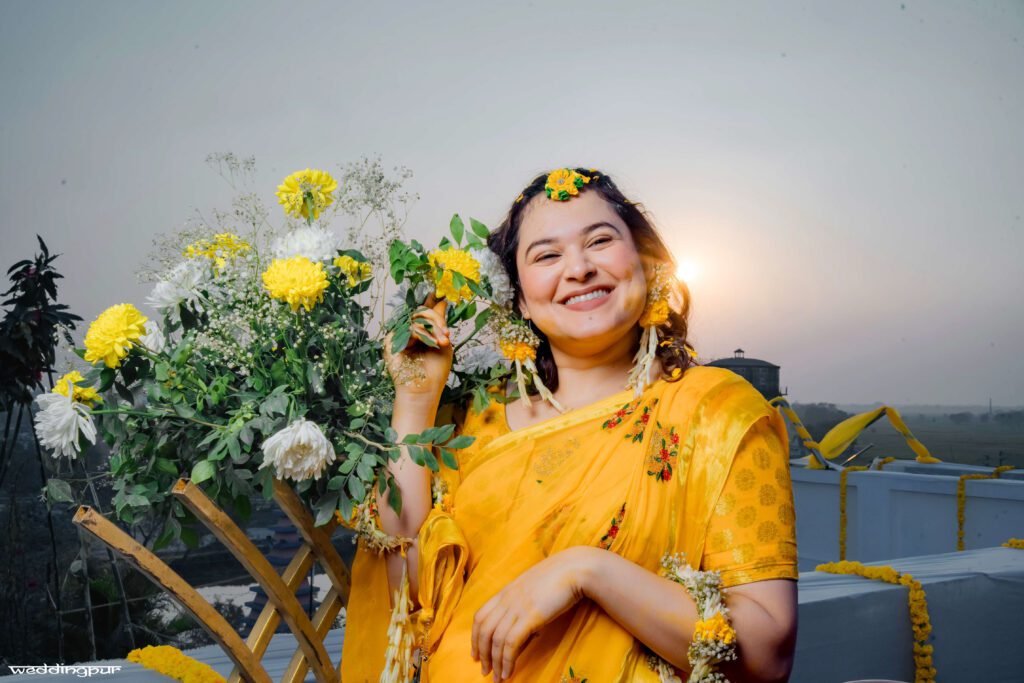
Haldi Function Is Not a Ramp Walk
A haldi ceremony is not a fashion show. People will lovingly make you sit, but they will also apply haldi forcefully. Water, sweat, sunlight, oil, and constant sitting and standing all happen together. Because of this, an outfit that looks beautiful at first can start irritating you after some time.
So while choosing your dress, keep these points in mind. Fabric is the fabric breathable and good quality. Color will it look better or worse after haldi stains. Comfort can you sit, move, laugh, and bend easily. Body fit does it look natural on you.
If these four things are right, photos will automatically look good. But if you choose the wrong outfit, no matter how expensive it is, you will feel like removing it during the function.
● How Haldi Behaves on Different Fabrics
Every fabric reacts differently. Some fabrics absorb everything like a sponge, while others only look dirty on the surface.
Synthetic (polyester, georgette) haldi does not penetrate inside, but it spreads and sticks, creating large ugly patches.
Silk is very soft but extremely sensitive. Once haldi stains silk, it becomes permanently yellow.
Cotton is normal home fabric, stains easily but also washes out easily. One of the best options.
Linen has slightly rough texture. Haldi stays mostly on the surface and is easier to manage.
Organza is thin and shiny. Stains appear as small dots.
Chanderi gives a festive look and stains are manageable, not very stubborn.
Outdoor Haldi Ceremony Reality
Outdoor haldi means heat and sweating. Sweat contains salt, which makes haldi stains deeper.
That is why fabrics that do not allow air circulation end up looking the worst.
Best Fabrics for Daytime Outdoor Haldi
Cotton mulmul is safest option, skin friendly, low stress after staining.
Linen releases heat, wrinkles slightly but manageable.
Kota doria has light mesh texture, does not become heavy with water.
Chanderi gives simple festive appearance.
When to Wear Organza
Only for a short, photo focused haldi ceremony.
When to Avoid Silk Completely
If real haldi will be applied, water poured, or the ceremony is in sunlight. Haldi stains never leave silk.
Expensive fabric is not the best choice in haldi, the fabric that survives the ritual is the best.
Choosing the Right Color
Wearing yellow is not as simple as it sounds. Different shades behave differently.
Yellow shades lemon yellow looks fresh initially, looks dull after haldi. Bright yellow hides stains but becomes visually harsh. Mustard is most natural and traditional. Pastel yellow looks soft and clean in photos.
Colors that work well with haldi mustard, warm beige, ivory, peach, pista green, dusty orange, off white.
These colors make haldi look like part of the ritual instead of damage.
Best colors in sunlight are ivory, soft peach, powder yellow, light pista, warm white.
Comfort vs Style — The Real Test
In haldi, you do not just stand for photos. You sit on the floor, people bend and apply haldi, someone may hold your shoulders, and you need to laugh naturally.
Do this small test after wearing your outfit. Can you sit cross legged comfortably. Can you raise your hands fully. Do you keep adjusting your dupatta. Does the fabric stick after water falls on it.
If all movements feel easy, you will truly enjoy the ceremony. The perfect outfit is the one in which you can laugh freely, move freely, and feel relaxed.
What to Wear According to Body Type
Not every outfit suits everyone. The same dress can look perfect on one person and awkward on another, it is all about balance.
Petite short height heavy flare makes height look shorter. Choose vertical prints. Short kurti with sharara works well. Avoid heavy lehengas.
Plus size goal is a clean shape, not looking slim. Structured cotton is best. A line kurta is safest. Avoid clingy fabrics like organza and satin.
Tall flowy outfits naturally suit tall bodies. Anarkali works perfectly. Layered dupatta looks graceful.
Athletic straight frame need to create curves. Draped dupatta works. Waist gathers or pleats help.
Final Decision
Choose fabric first cotton mulmul linen kota half the stress gone.
Choose a warm light color mustard pastel ivory.
Do the movement test sit stand bend turn.
Adjust according to body type.
By following these simple steps, you can choose the best haldi outfit, one that looks good, feels comfortable, and lets you enjoy freely.
And when you truly enjoy the ceremony, the most natural and beautiful photos are captured automatically.
● Haldi Ceremony Dress Color Combinations
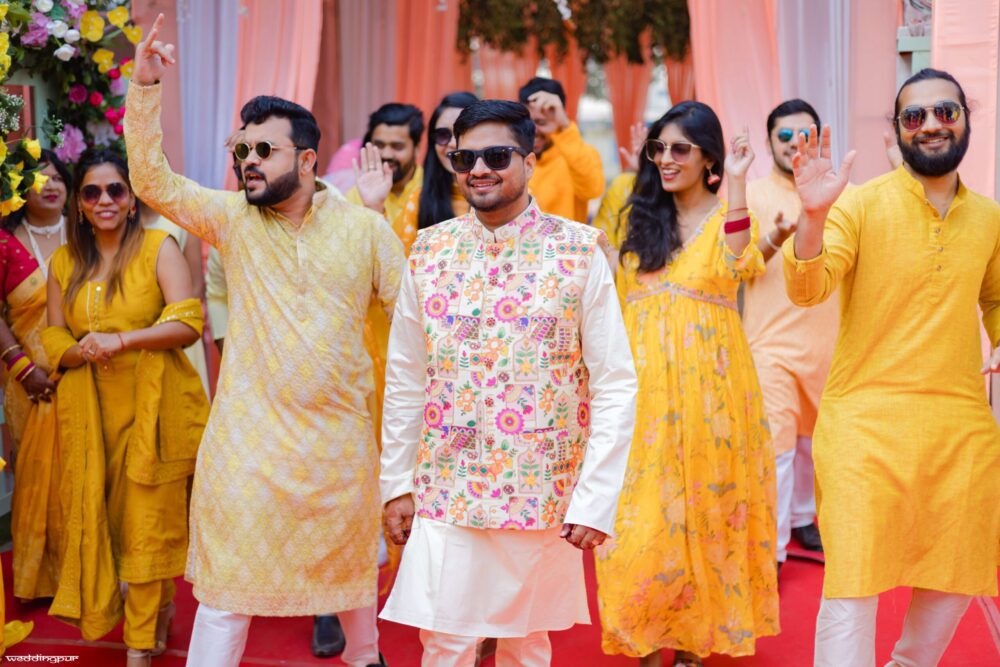
Yellow + White — Simplest and Safest Choice
When it looks best
Daytime haldi on a terrace, garden, or open area. In sunlight, this combo looks very clean and fresh.
Who should wear what
Bride or groom wear full yellow so the focus stays on them in photos. Brothers and sisters wear white kurta with a yellow dupatta or yellow border. Parents wear off white outfits with light mustard yellow for a calm and classy look. Friends wear white outfits with small yellow elements like a dupatta, bangles, or stole.
Important tip
If you know haldi will be applied on you, do not wear pure white. Haldi stains do not come out and the cloth becomes permanently yellow.
Yellow + Green — The Freshest and Most Eye Pleasing Color
When it looks best
When the decoration has leaves and flowers, in a lawn setting, or when mehendi and haldi happen together. The colors look very natural outdoors.
Who should wear what
Bride wear yellow dress with a green dupatta, it instantly stands out in photos. Groom wear mustard kurta with a green jacket, simple and smart. Sisters and friends wear mehendi green suit or lehenga. Mother wear dark green cotton or silk suit for a decent and rich look.
The more leaves and floral decoration you have, the more the green color will stand out and everything will look lively.
Yellow + Pink — Soft, Cute, and Proper Wedding Feel
When it looks best
Indoor haldi with good decoration, cushions, and flowers. This combo looks the most beautiful in decorated interiors.
Who should wear what
Bride wear light yellow with a baby pink dupatta for a soft bridal look. Groom wear light yellow kurta with a soft pink stole. Friends wear pink outfits so the bride stands out naturally. Bhabhi and cousins wear slightly darker pink, it adds depth in photos.
Yellow + Orange — Complete Traditional Haldi Look
When it looks best
Day wedding, home or village setup, marigold flower decoration, it looks very natural and authentic.
Who should wear what
Bride wear bright yellow for a strong bridal feel. Groom wear saffron or marigold kurta which is perfect match. Parents wear orange or rust shades for a calm and traditional look. Relatives wear mustard, turmeric, and rust tones so everyone looks coordinated like one family.
Remember
This combination has the lowest chance of looking wrong. It suits almost every skin tone.
● Jewellery Guide — The Most Common Mistake Happens Here
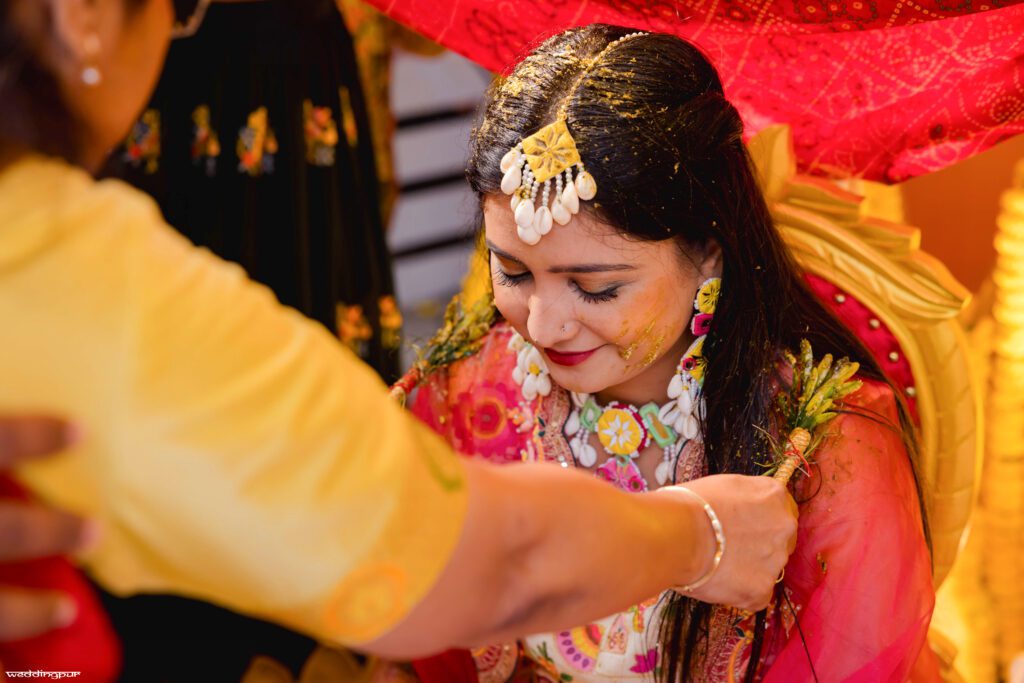
Why Floral Jewellery Is Worn
Floral jewellery in haldi is not just for looking cute. There is a simple reason behind it.
You will be covered with haldi, oil, and water. If you wear heavy metal jewellery, it becomes sticky, can irritate the skin, and is very hard to clean.
Floral jewellery is soft, does not irritate the skin, and also gives a natural feel to the ceremony.
That is why floral jewellery is traditionally used in haldi functions.
Real vs Artificial Flowers
Real flowers
They look very beautiful and smell fresh, but they are not long lasting. Within 2–3 hours they start to wilt, stick to the skin, and sometimes even fall off.
Artificial flowers
They still look natural but last throughout the entire haldi. They are not damaged by water, sweat, or pulling.
What Should You Choose
If you want the cutest and most natural look for a short time, wear real flowers.
If you want a tension free haldi for the whole ceremony, choose artificial floral jewellery.
● Frequently Asked Questions
What should a bride wear in a haldi ceremony?
A lightweight, washable outfit — cotton lehenga, simple saree, kurta-sharara, or skirt-top. Yellow family shades work best (mustard, turmeric, pastel yellow). Comfort is more important than fashion.
Can we wear white in haldi?
Yes, but only if you are okay with permanent stains. Haldi + oil = yellow forever. Most people avoid white for this reason.
Which fabric is best for a haldi function?
Cotton, mulmul, rayon, and linen.
Avoid silk, velvet, georgette, and organza — they absorb stains and are hard to clean.
Do men wear yellow in a haldi ceremony?
Usually yes — a yellow kurta is traditional. But cream, off-white, pista, or light orange are also perfectly fine.
Can I wear a saree in a haldi ceremony?
Yes, but choose a light cotton saree. A heavy saree makes movement difficult and stains become permanent.
Conclusion
Whatever dress you choose for the haldi ceremony, you should feel comfortable in it. Along with good colors, the fabric should also be suitable and should not harm or irritate your skin. Choose wedding jewellery according to your needs so that you stay comfortable and can enjoy the haldi ceremony freely.