● Understanding Traditional Photography Before the Event
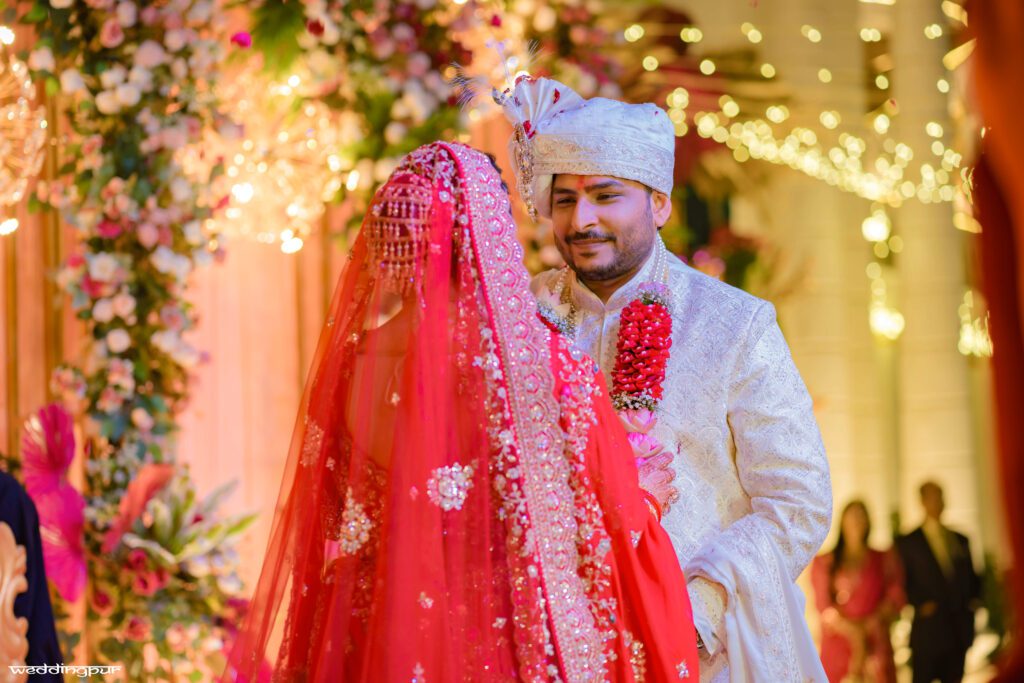
If you are planning a wedding, engagement, reception, or any family function, you have probably heard about traditional photography. However, before hiring a photographer, it is important to understand what traditional photography is and whether it is the right choice for your event.
Traditional photography is a photography style where important moments are captured in a planned and organized manner. In this approach, the photographer guides people on where to stand, how to pose, and how to look toward the camera. The goal is to create clear, well-composed, and memorable photographs that document the event properly.
● When Does Traditional Photography Work Best?
Weddings
Traditional photography is widely used at weddings because families often want proper photographs of rituals, relatives, and important ceremonies. It ensures that key moments are captured systematically.
Engagement Ceremonies
Ring exchange moments, family introductions, and stage photographs can be captured effectively through traditional photography. It helps create well-organized and memorable images of the event.
Reception Events
During receptions, guests usually come to meet and congratulate the couple. Traditional photography is ideal for documenting these interactions in a structured and organized way.
Anniversary Celebrations
Cake-cutting ceremonies, family portraits, and group photographs are important parts of anniversary celebrations. Traditional photography is a perfect choice for capturing these moments clearly and professionally.
Family Gatherings
Traditional photography is also useful for birthdays, family reunions, religious functions, and other family get-togethers. It helps preserve memories by ensuring that every family member is included in the photographs.
● How to Prepare for Traditional Photography in Patna
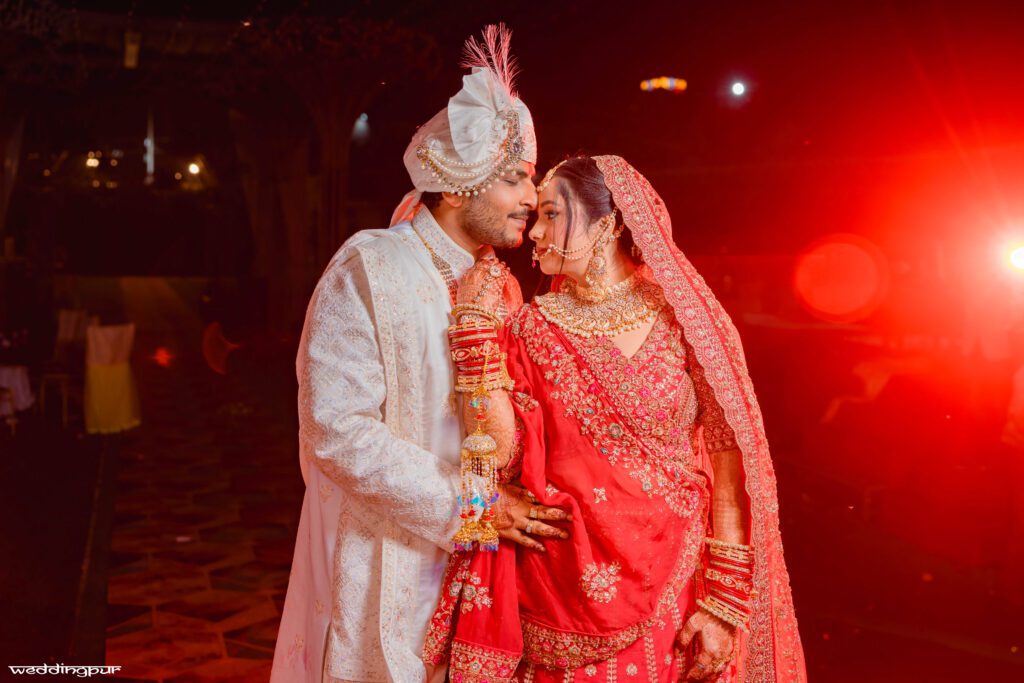
Traditional photography continues to be a popular choice in Patna for weddings, engagements, receptions, and family functions. Families often want important rituals, relatives, and special moments to be captured properly and preserved for years to come.
However, great traditional photography does not depend solely on the photographer. A little planning before the event can help create more organized and better-quality photographs.
Step 1: Prepare a Photography Schedule in Advance
Many activities take place simultaneously during an event. Therefore, it is helpful to share a basic event schedule with the photographer beforehand.
Start by making a list of the important rituals and activities that are part of your event, such as ring exchange, Varmala ceremony, cake cutting, family welcome ceremony, blessing moments, and stage programs.
When the photographer knows the timing of these activities, important moments are less likely to be missed.
Allocate Time for Family Photos
In many cases, relatives begin leaving soon after the event ends, and family photographs may be missed. To avoid this, reserve 10–15 minutes specifically for family portraits.
Plan Group Photography
If you have a large number of guests, it is better to organize group photographs rather than taking them randomly. For example, create separate groups for immediate family, close relatives, friends, and office colleagues.
This approach saves time and ensures everyone is included.
Step 2: Create a List of Important People
Inform the photographer about your close family members and key guests.
This list may include parents, grandparents, brothers and sisters, children, important relatives, close friends, and VIP guests.
These individuals are often featured in the most important photographs and album highlights, so identifying them in advance helps the photographer capture the right moments.
Step 3: Select the Best Photography Locations
Not every area of the venue is suitable for photography. Identifying good locations before the event can be very helpful.
Stage Area
The stage is one of the most common locations for traditional photography. Couple portraits, family photographs, and guest interaction photos are usually taken here.
Entrance Area
If the entrance is well decorated, it can be an excellent location for welcome photographs and guest arrival shots.
Indoor Photography Spots
Choose indoor locations with good lighting, clean backgrounds, and minimal crowding.
These factors help create more professional-looking photographs.
Outdoor Spaces
If the venue has a lawn, garden, or open area, some portraits and family photographs can also be taken outdoors to add variety to the album.
Step 4: Pay Attention to Outfits and Grooming
Appearance has a direct impact on the final photographs.
If family members wear coordinated outfits or similar color tones, group photos often look more balanced and visually appealing.
Before the event, ensure hairstyles are properly arranged, wear clean and well-pressed clothes, keep footwear clean, and avoid unnecessary accessories.
These small details can make a noticeable difference in the final images.
Step 5: Keep the Photography Area Clean and Organized
Even the best camera and photographer can achieve better results when the surroundings are well managed.
Before the photography session, remove unnecessary items such as water bottles, plastic bags, empty boxes or bags, extra chairs, and loose wires and cables.
A clean and organized environment helps create more professional and visually appealing photographs.
Link: Difference Between Candid and Traditional Photography
● Things You Can Do to Get Better Traditional Photographs
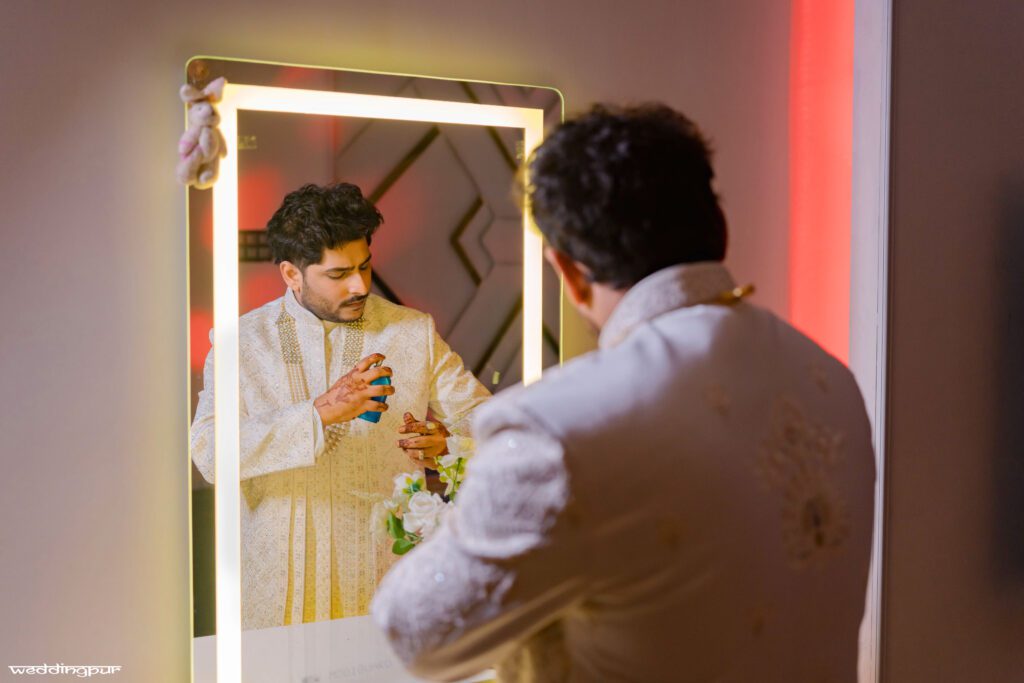
Whether it is a wedding, engagement, reception, anniversary, or family function, a little preparation can make a big difference in the quality of your photographs. If you want your traditional photographs to look better, follow these simple tips before and during the event.
Be Ready Before the Photography Session Starts
One of the most common reasons people feel stressed during photography is last-minute preparation. When everyone is ready on time, the photographer can capture important moments without unnecessary delays.
Before the event starts, complete your makeup and dressing on time, keep your jewelry and accessories ready in advance, make sure your clothes are clean and properly arranged, and avoid rushing at the last minute.
Practice a Few Simple Poses in Advance
Traditional photography does not require complicated poses. In most cases, simple and natural poses create the best photographs.
Before the event, you can practice standing naturally while facing the camera, simple stage poses for couples, family portrait arrangements, and proper positioning for group photographs.
A little practice can help you feel more comfortable and confident in front of the camera.
Pay Attention to Your Posture
Good posture can significantly improve the overall quality of your photographs.
While posing for photos, stand or sit upright while keeping your body relaxed, avoid slouching your shoulders, face the camera properly when required, and keep your body language natural and comfortable.
Keep Your Facial Expressions Natural
Many people focus on posing, but facial expressions are equally important.
For better photographs, maintain a natural smile, avoid forcing a fake smile, look toward the camera when the photographer asks, stay relaxed and enjoy the moment, and avoid looking tense, distracted, or uncomfortable.
Set Aside Time for Group Photographs
Group photographs are an important part of weddings and family events. Make sure enough time is allocated for immediate family portraits, photographs with parents, grandparents, and siblings, pictures with close relatives, and group photos with friends and guests.
When group photography is properly planned, no important family member or guest is left out of the album.
In my experience, achieving great results in traditional photography is less about expensive equipment or complicated poses and more about proper preparation. Being ready, staying relaxed, and following a few simple guidelines can help create beautiful photographs that preserve your special memories for years to come.
● How to Communicate Effectively With Your Photographer
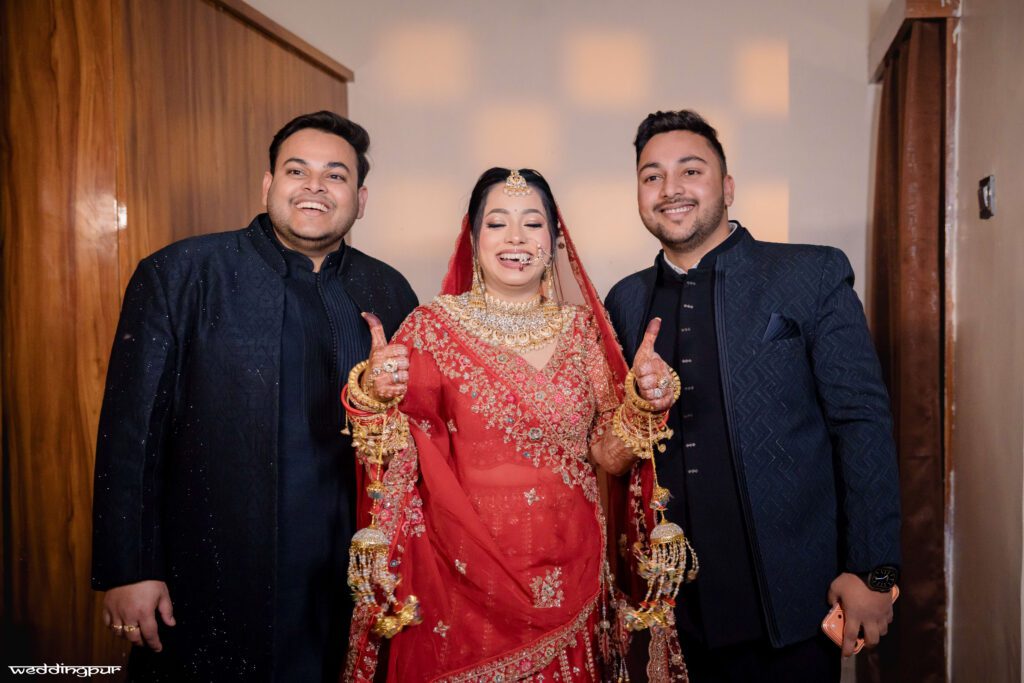
Good communication with your photographer is very important. No matter how experienced a photographer is, they cannot automatically know which moments, rituals, or family members are most important to you. That is why discussing a few important details before the event can be very helpful.
Tell Your Photographer About Your Expectations in Advance
Before the event, take some time to explain your priorities to the photographer. Let them know which moments you definitely want to be captured, whether there are any special guests or relatives whose photos are important, and whether you want more focus on stage photos, family portraits, or ceremony coverage. When photographers understand your expectations beforehand, they can plan their work accordingly.
Share Your Photography Preferences
Every family has different preferences when it comes to photography. Some people prefer traditional posed photographs, while others like formal portraits. You can tell your photographer what type of photos you would like, such as traditional family photographs, formal portraits, stage photos with guests, or group photos with friends and relatives. Sharing your preferences helps the photographer deliver images that match your expectations.
Discuss Important Rituals and Family Traditions
Every family has its own traditions and rituals, and it is helpful for the photographer to know about them in advance. Inform them about important ceremonies, the timing of key rituals, any religious traditions that should be documented, and special family customs. You should also mention important moments involving parents, grandparents, or other elderly family members so that these memories are not missed.
Choose a Family Coordinator
This tip is especially useful for weddings and large family gatherings. Consider selecting a responsible family member to act as a coordinator. This person can help the photographer identify important relatives, gather family members for group photos, and coordinate photography sessions smoothly. Having a coordinator makes it easier for the photographer to manage the event and ensures that important people and moments are captured efficiently.
● Questions You Should Ask Before Hiring a Traditional Photographer
First, ask about the photographer’s experience.
Traditional photography is quite different from candid photography. If the photographer has previously covered similar events, they will be better prepared to handle different situations professionally.
Can I see your previous traditional photography work?
Ask the photographer to show complete albums instead of just a few selected photos. While reviewing the albums, pay attention to the photo quality, lighting, family portraits, stage photographs, and the consistency of coverage throughout the entire event. This will give you a realistic idea of their work.
What is included in the photography package?
Before confirming the booking, understand the package details carefully. Ask how many photographers will cover the event, whether edited photos are included, if you will receive digital copies, and whether the album is included in the package or requires an additional charge.
Approximately how many photos will I receive after the event?
Many people forget to ask this question. The exact number of photos depends on the event duration, the number of guests, and the schedule. However, knowing the approximate number helps you understand what to expect in the final delivery.
What equipment do you use?
You don’t need to understand the technical details of cameras, but it’s a good idea to ask whether the photographer uses professional equipment.
Will the photos be edited?
Most photographers deliver edited photos these days, but it’s always a good idea to confirm this before booking.
● Book Your Traditional Photography Session
Looking for professional traditional photography in Patna? Book your first traditional photography session today and capture your important moments with well-planned, high-quality photographs that your family can cherish for years.